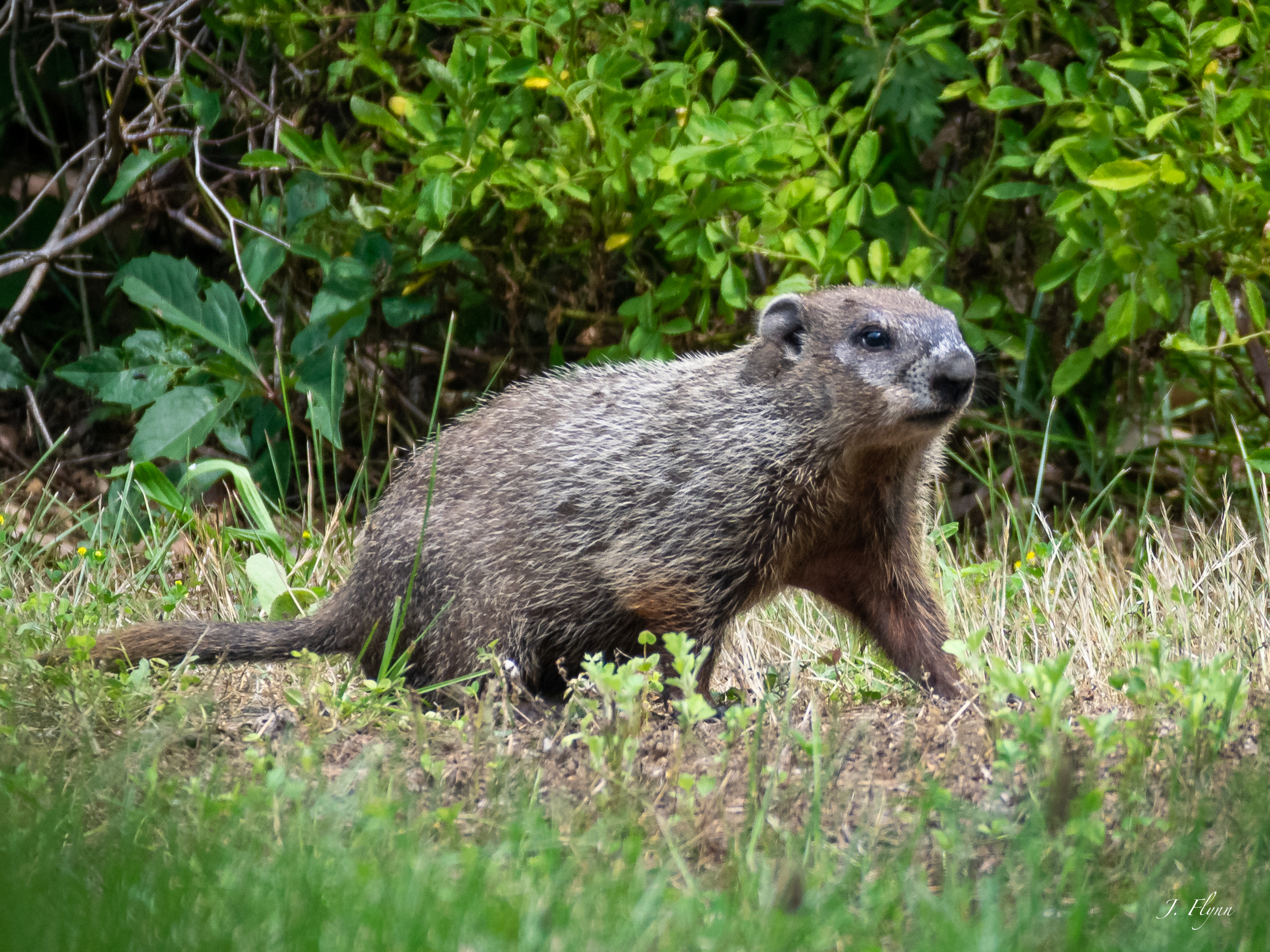
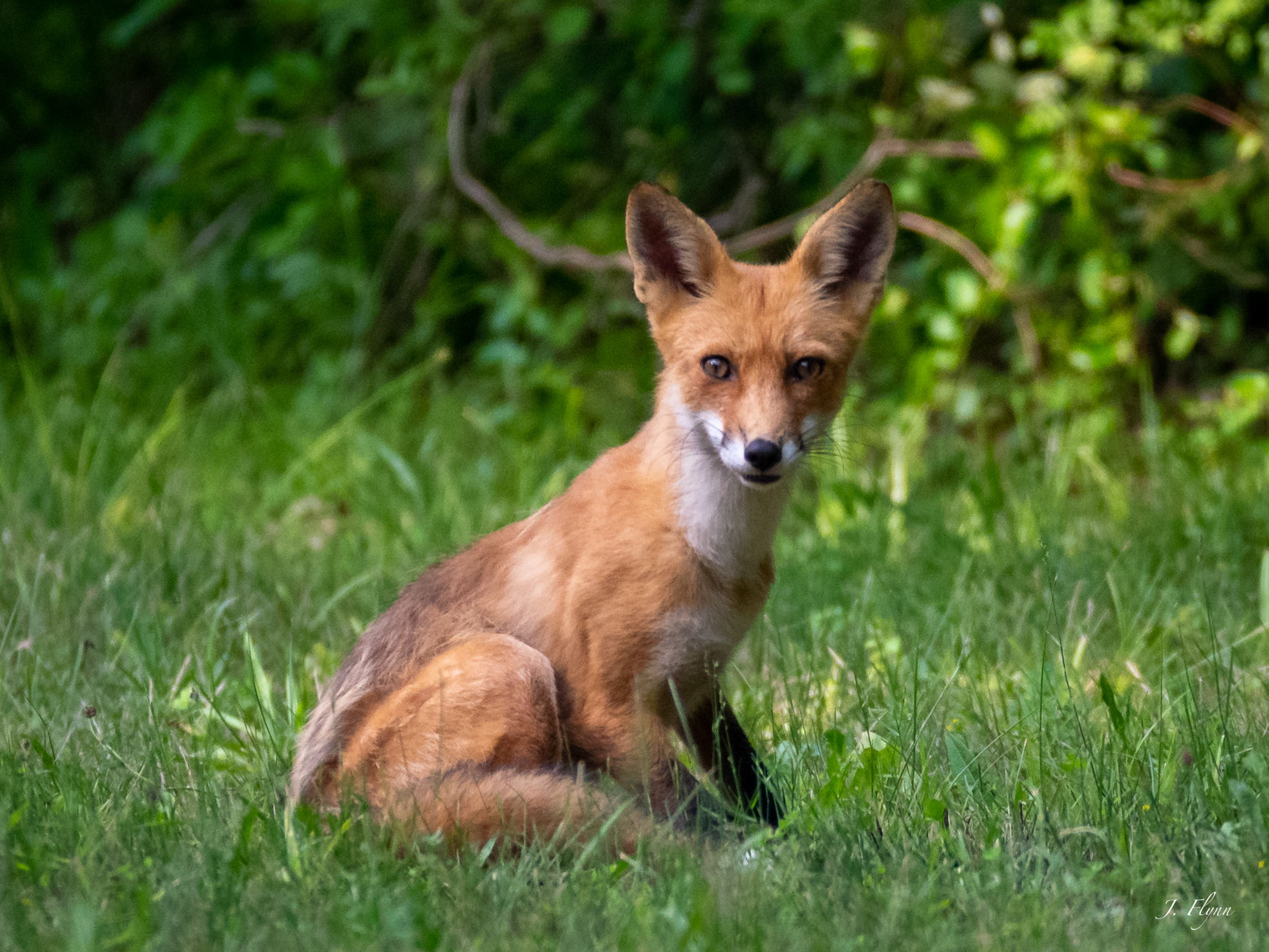
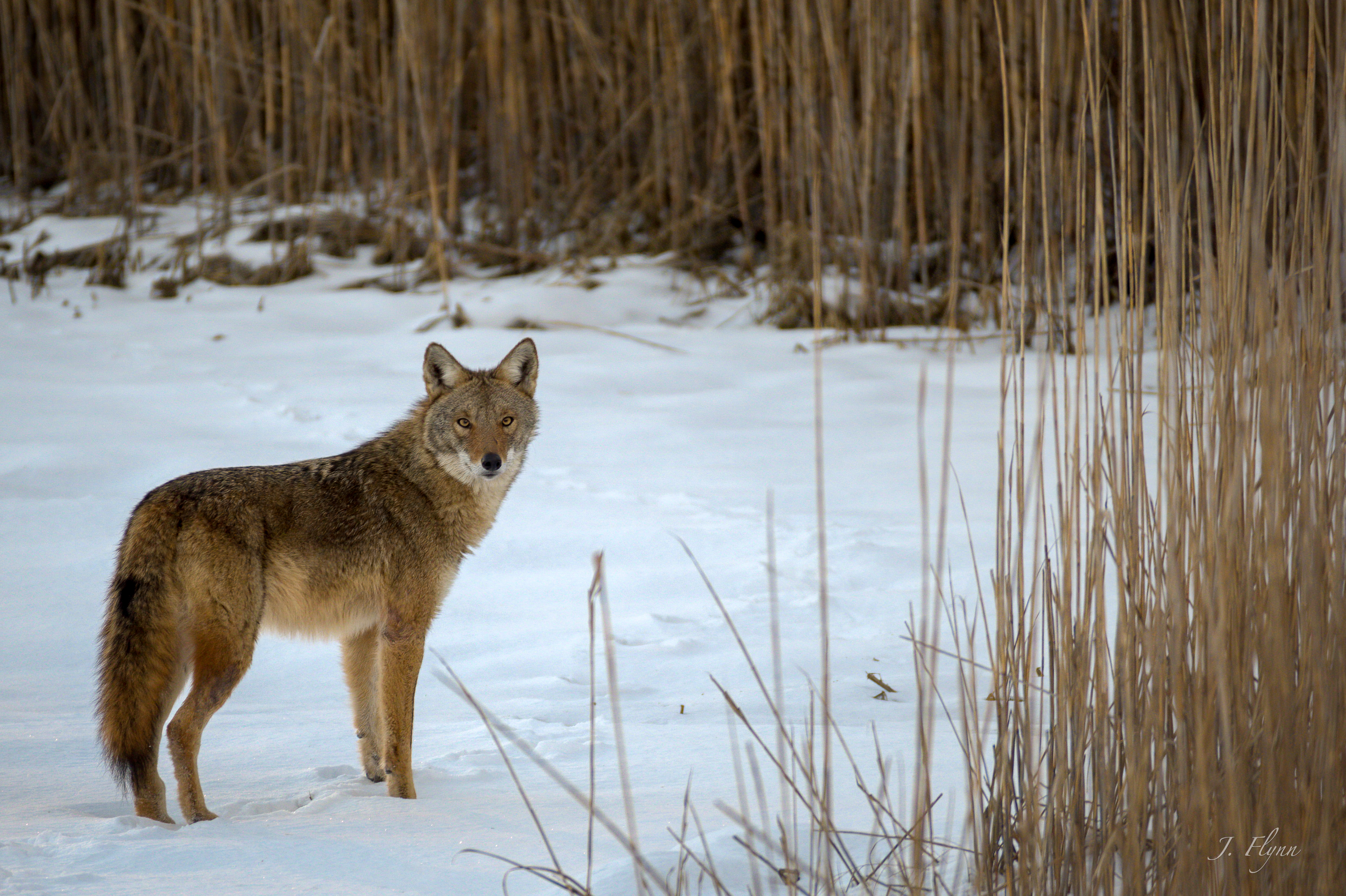
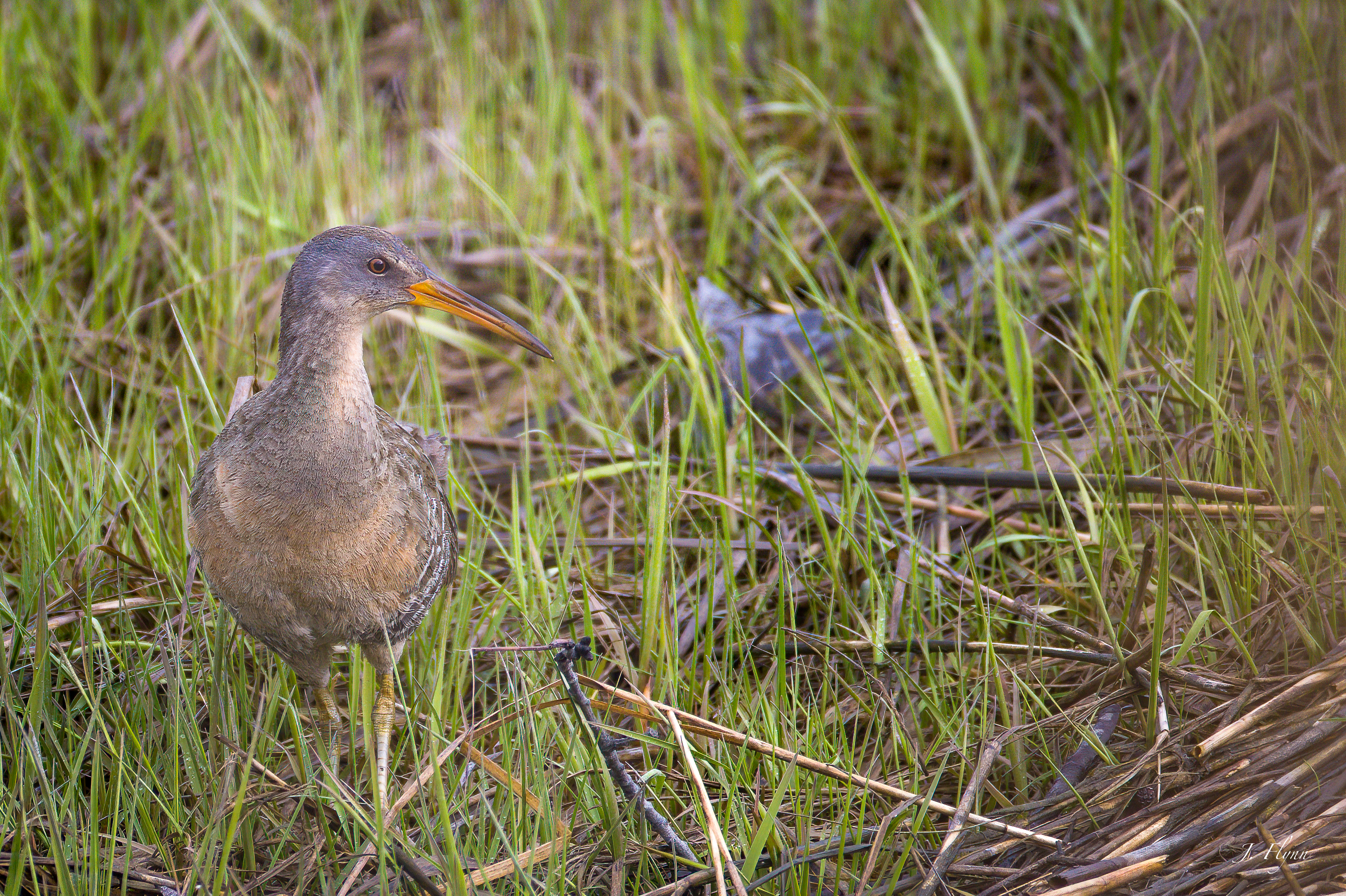
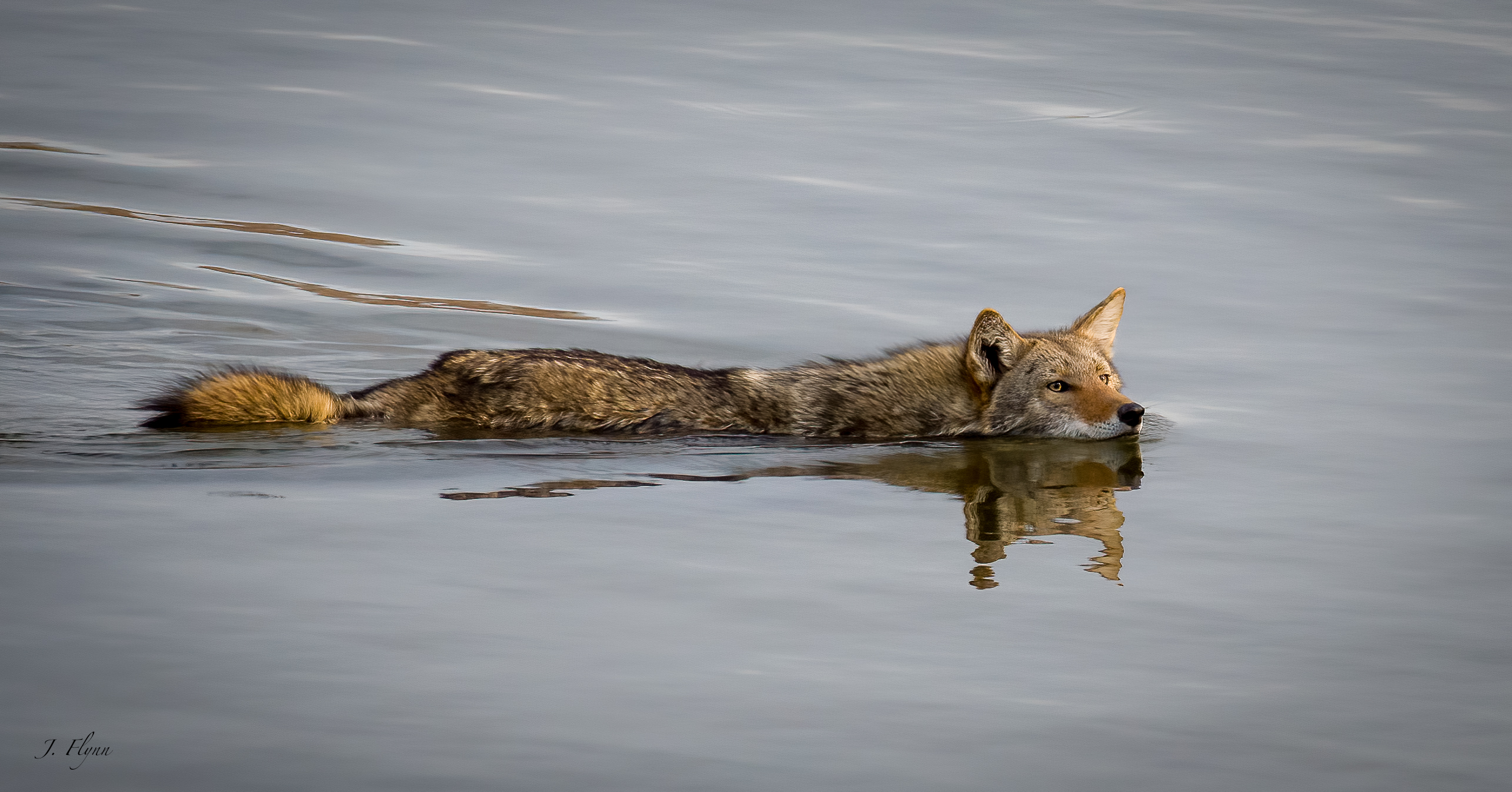
In an area of the state dominated by urban development, the diverse and interconnected ecosystems within Farm River watershed and estuary — including core forests and wooded uplands, freshwater streams, inland wetlands, coastal salt marshes, and the intertidal zone — host a wide range of native flora and fauna.
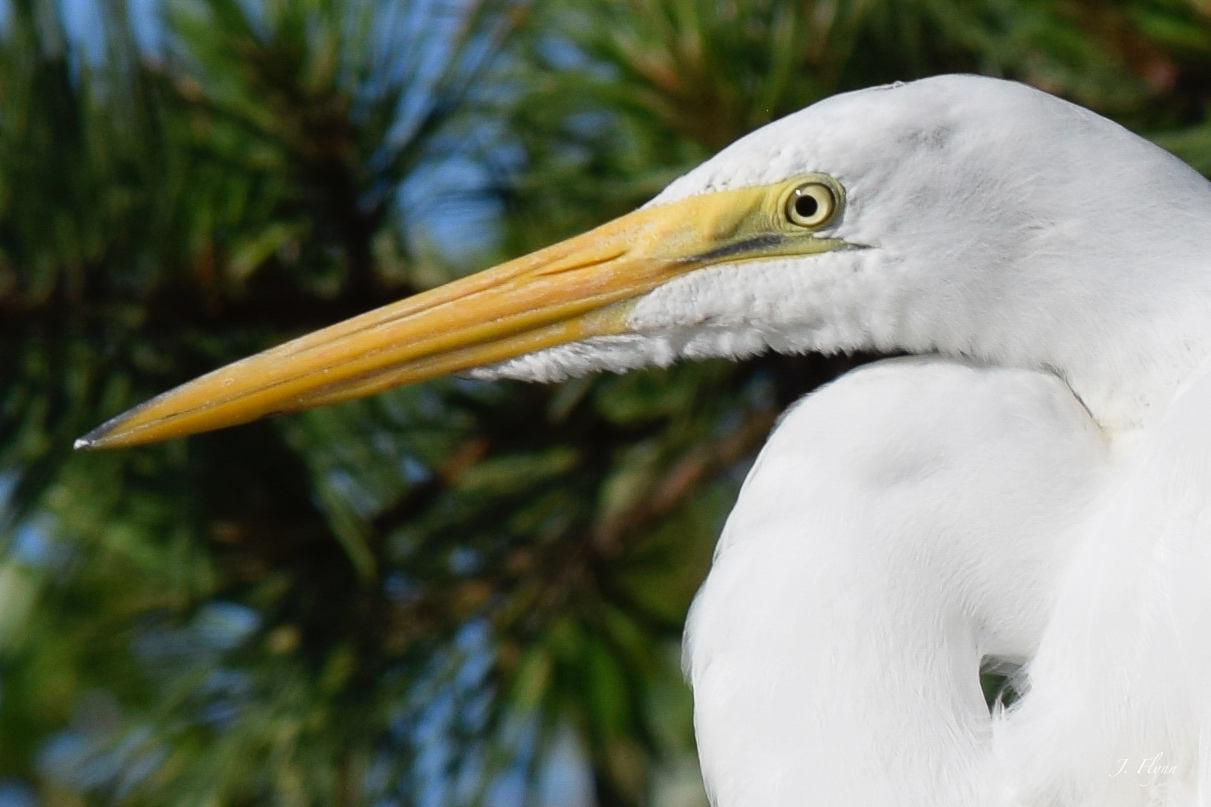
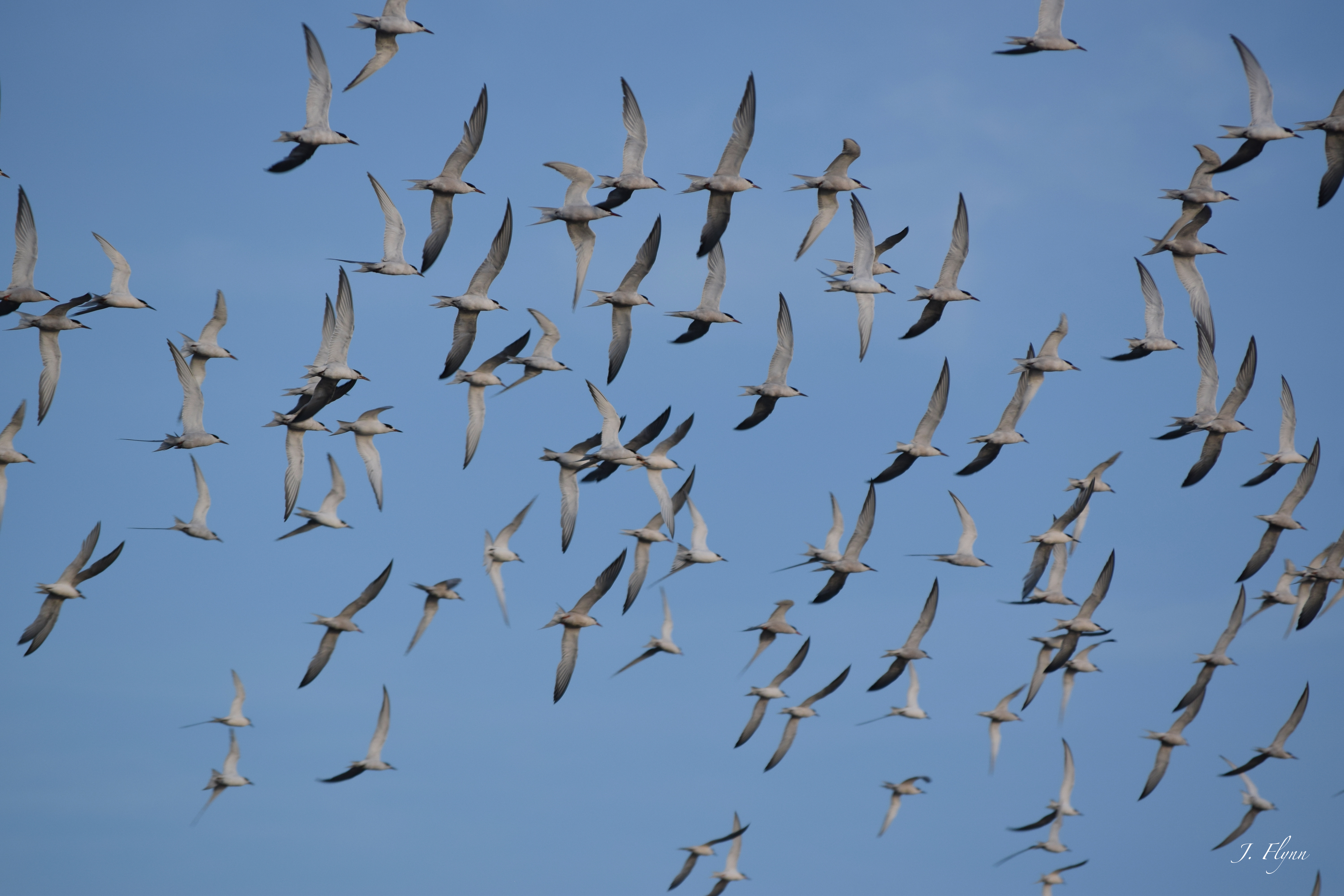
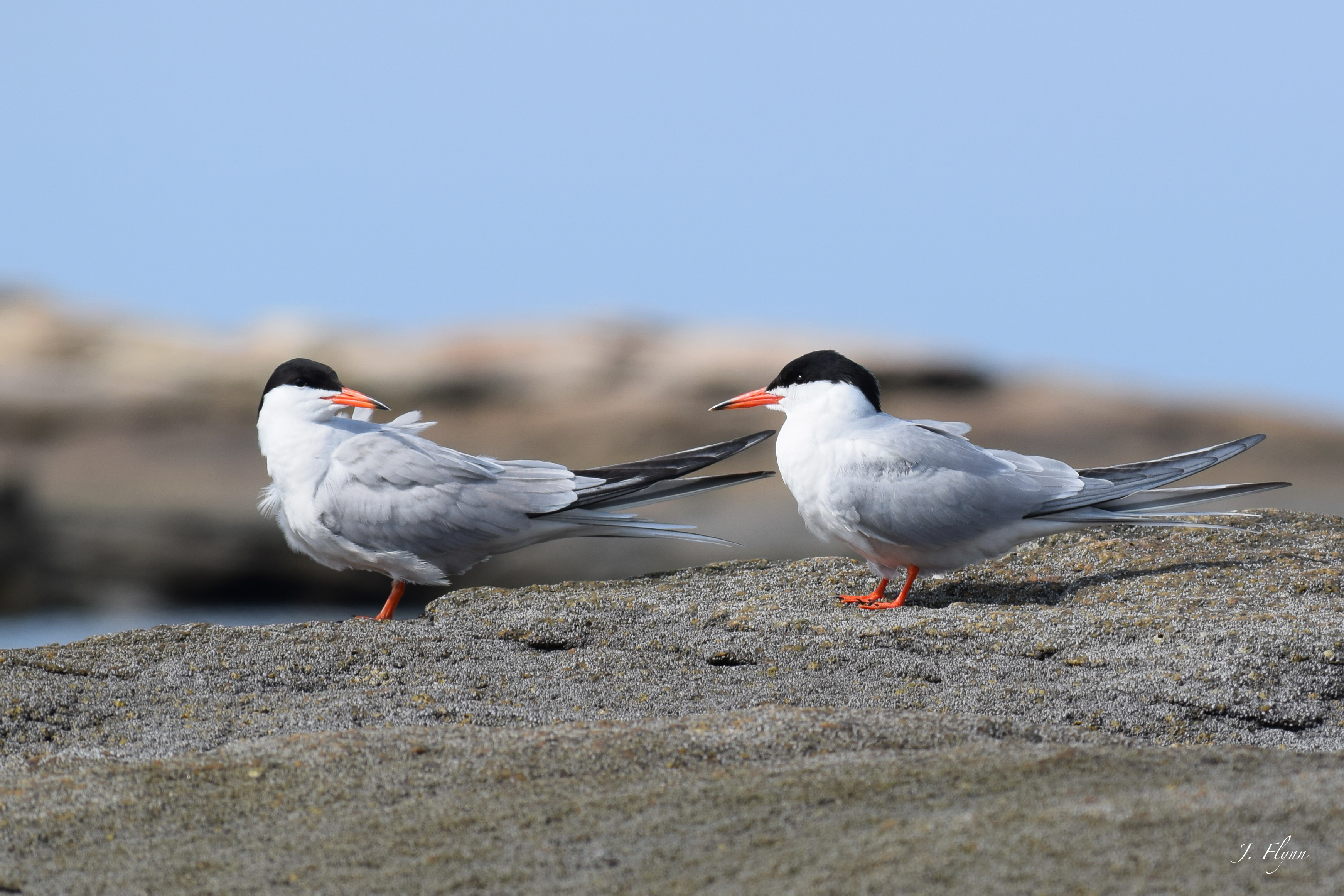
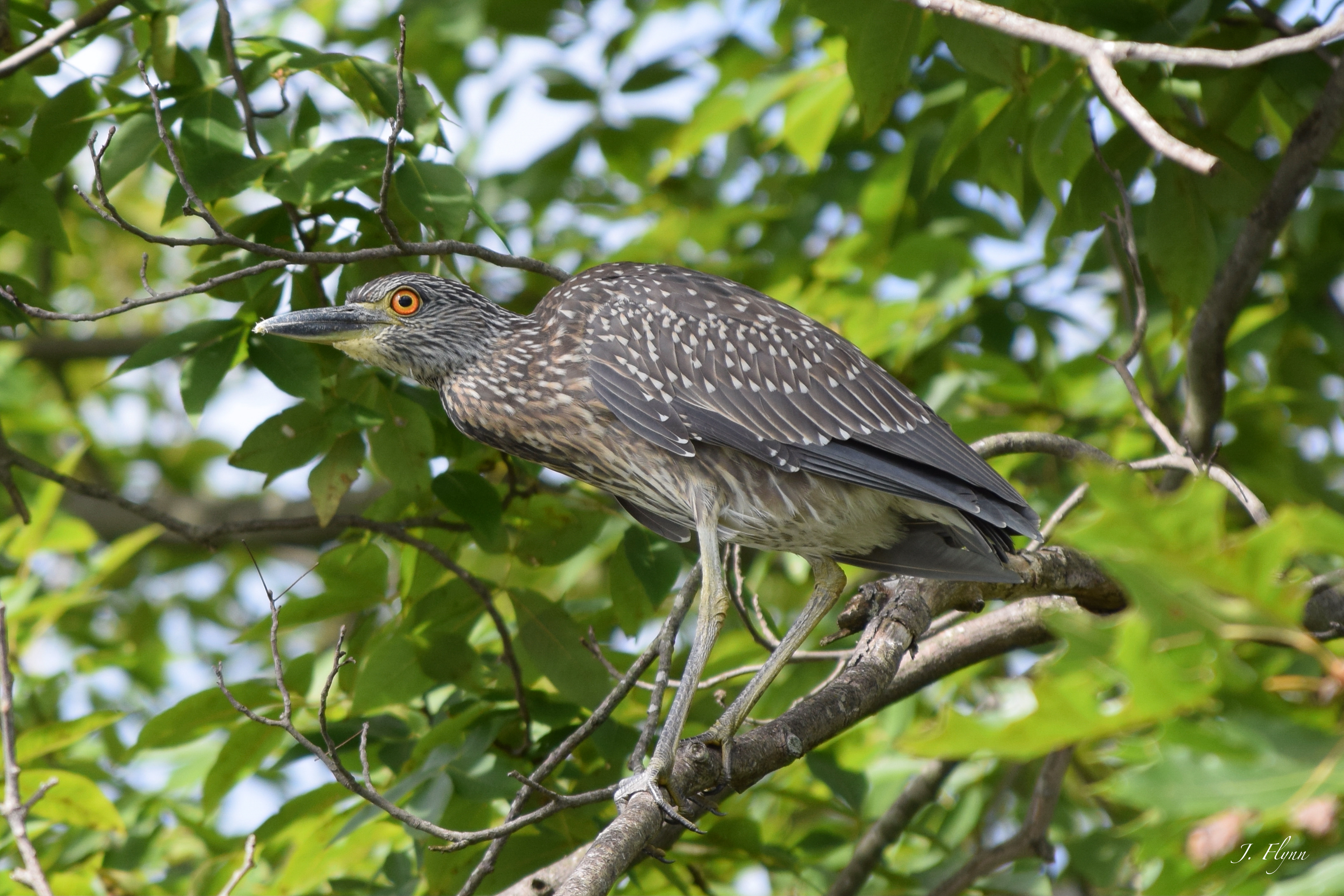
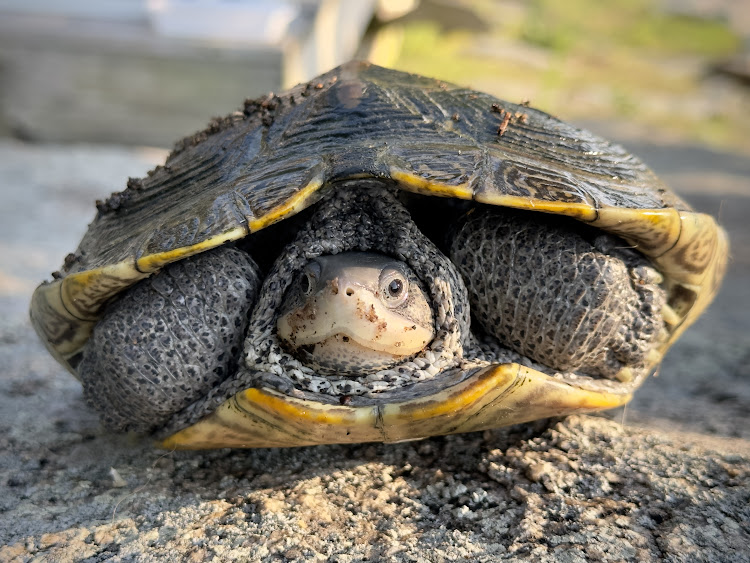
The estuary, in particular, serves as an important refuge for several federal- and state-listed endangered, threatened, vulnerable, and special concern species, such as the American oystercatcher, Bald eagle, Common tern, Great egret, Least tern, Piping plover, Roseate tern, Saltmarsh sparrow, Snowy egret, Yellow-crowned night heron, Northern diamondback terrapin, and several species of sea turtle. The Connecticut Department of Energy and Environmental Protection’s Long Island Sound Blue Plan identifies the estuary as an “Ecologically Significant Area.” Kelsey Island, located at the mouth of the Farm River, is designated as critical habitat for several species. The estuary also forms a portion of the southern end of an important migratory bird corridor that extends into northern New England and Canada.
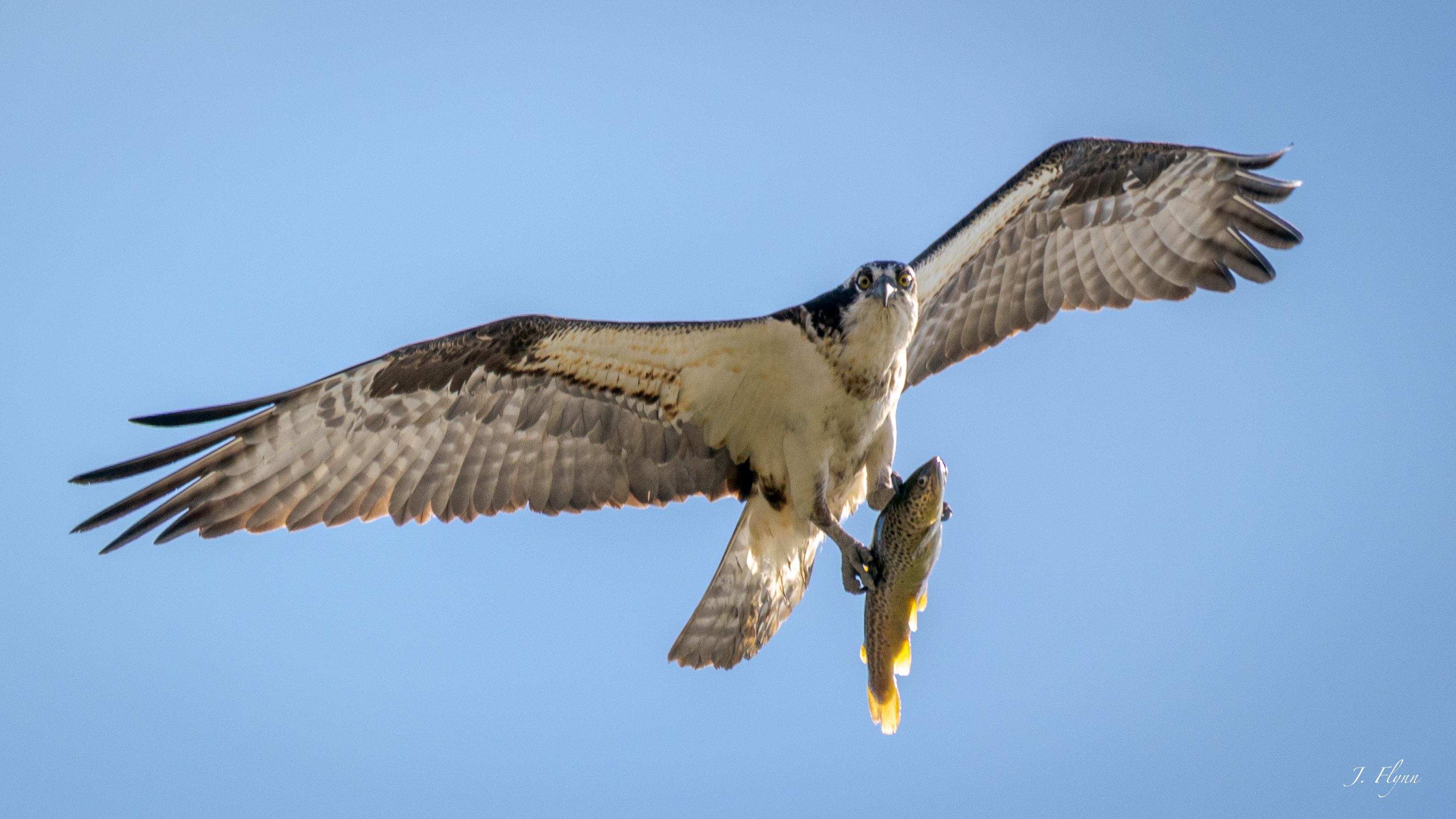
During the summer months, American osprey abound. By 1970, osprey were on the verge of extinction due to bioaccumulation of the pesticides DDT and DDE in fish, their primary prey. Populations have steadily increased in the estuary and beyond since those substances were banned. After wintering in Central and South America, osprey return to the estuary in mid- to late-March each year, nesting in pitch pines and on dozens of human-made platforms, including many built and maintained by FFRE volunteers.

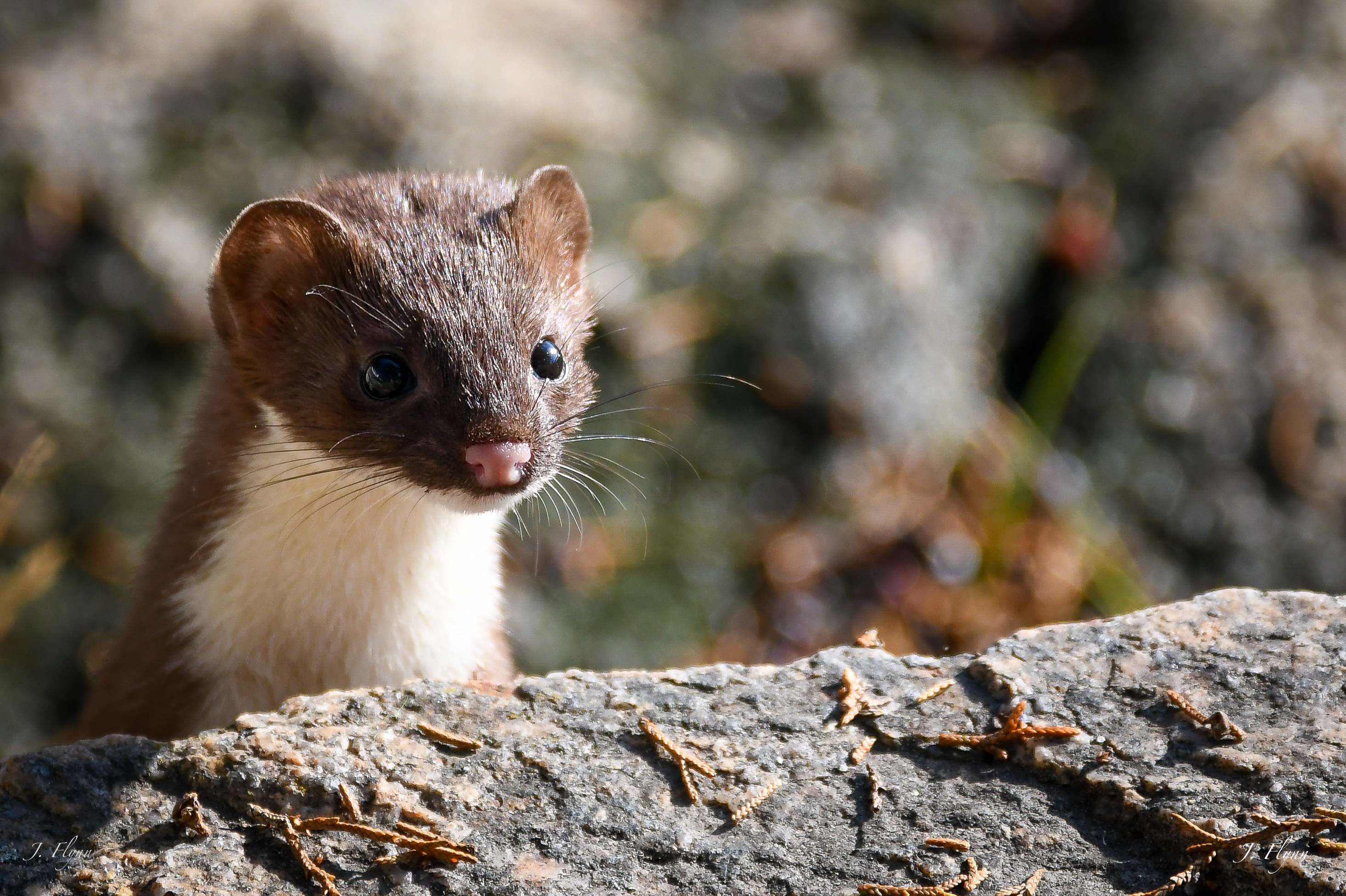
Photos by Jamie Flynn










 Friends of the Farm River and Estuary